
Our Services

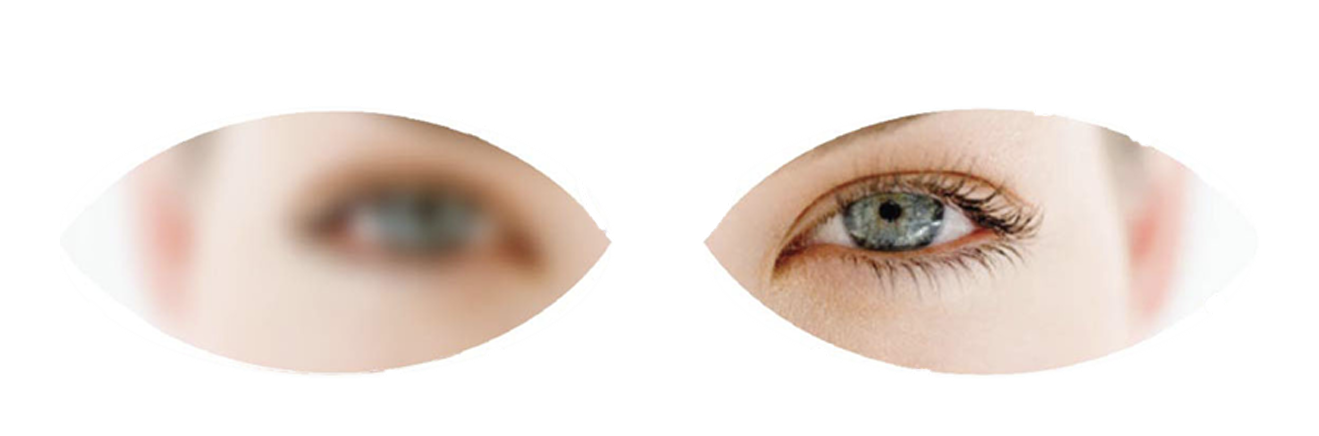
LASIK & TRANS-EPI (Consultation, Pre & Post Operative Care)
LASIK and Trans-Epi are different types of laser vision correction procedures which aim to correct short-sightedness, far-sightedness and astigmatism by reshaping the cornea, and hence, reduce reliance on glasses or contact lenses. Nevertheless, they differ in how they reshape the cornea.
LASIK (the acronym for “Laser Assisted In-situ Keratomileusis”) involves creating a corneal flap using microkeratome blade or femtosecond laser whereas Trans-Epi (the acronym for “Transepithelial Photorefractive Keratectomy”) is a type of Advanced Surface Ablation which is a bladeless and flapless procedure. Many people who have undergone these surgeries are able to enjoy a lifestyle free from glasses and contact lenses.
Who Is A Suitable Candidate?
There are preliminary factors which may indicate your suitability for the surgery.
- At Least 18 Years Old: Normally, those below this age are still going through puberty and hormonal changes, which can affect the stability of their vision.
- Stable Vision For 1 Year And Above: A stable prescription without significant increase for 1 year to 2 years is vital before surgery.
- Eyes Free From Dry Eyes Syndrome, Diseases and Injuries: If you have dry eyes, eye injuries, keloids or infections, you may be advised to treat these conditions first before surgery.
- Good Overall Health: If you have certain pre-existing health conditions such as diabetes or certain autoimmune diseases, you may be advised on other options of vision correction procedure.
- Prescription Is Within Certain Limits: Typically, LASIK and TransEpi can correct myopia up to a range of -8.00 to -12.00 diopters, hyperopia (far sightedness) up to +6.0 diopters and astigmatism up to 6.0 diopters. The exact limit may differ for each individual’s eye characteristics.
- Not Pregnant Or Breastfeeding: Those who are pregnant or breastfeeding may be advised to postpone the surgery due to hormonal changes which can affect the corneal structure.
Pre-operative Assessment
Pre-operative assessment is the most important part of the process to ensure a smooth transition of the entire surgery experience. The assessment will take about 2 hours as this involves a detailed series of eye examination, among others:
- Refraction – eye power measurement.
- External ocular evaluation – assessment of the eyes, eyelids and surrounding tissues and extraocular movements to detect signs of pterygiums, papillae, etc.
- Tonometry – intraocular pressure test to detect signs of glaucoma and optic nerves condition.
- Fundus examination – evaluate optic nerve and retina conditions.
- Eye muscle balance testing – to evaluate any weakness and/or defect in the extraocular eye muscles which may have caused uncontrolled movements, double vision, light sensitivity, headaches, etc.
- Corneal pachymetry, topography and tomography – to evaluate corneal shape (curvature) and thickness; and to detect corneal scarring and ectatic corneal diseases such as keratoconus and pellucid marginal degeneration.
- Dry eyes tests – to evaluate the production of tears, quality of tears film and eyelid condition, using slit lamp, Oculus Keratograph 5M and other devices.
The Optometrist will explain the test results, suitability, and the type of surgery options. The risks, benefits and alternatives of surgery will also be discussed.
Lay-off Contact Lenses Before Pre-Assessment & Surgery
Wearing contact lenses may alter the actual shape of the cornea and affects the test results and surgery outcome itself. As such, patients should stop wearing the contact lenses for at least 5 days before the assessment and also the surgery.
The recommended lay-off period depends on the types of contact lens:
- Soft contact lens : 5 days to 2 weeks
- Semi hard or RGP contact lens : 3 weeks to 2 months
Preparations Before & On The Day Of Surgery
As you prepare for the surgery, you are required to undertake the following important precautionary measures beforehand:
- Stop wearing contact lenses for at least 1 week before the surgery.
- Free your state of mind from any urgent matter before the surgery.
- Arrange alternative drivers or transportation e.g. grab on the day of the surgery.
- Eat light meal prior to arriving for the surgery.
- Wear shirts or blouses with buttons or zips instead of pullovers to avoid pulling it over your head to remove.
- Wear socks and extra layer of clothes to keep warm.
- Clean your face, remove eye make-up, cosmetics and face moisturiser which can increase the risks of infection and greater surface inflammation after surgery.
- Avoid perfume, cologne or after-shave as it can affect the laser performance.
Post-operative Care & Follow-up
You will be prescribed with antibiotics and artificial eye drops to keep your eyes lubricated and clear from infection. You will also be given a medical certificate for a few days to rest your eyes as you may experience blurry vision, glares, halos and discomfort for a few days. Some painkillers may be prescribed when necessary.
The stabilisation of vision normally takes 3 – 6 months during which intermittent blurriness and night vision glares are common. As such, it is important that you attend all follow-up appointments to check on the progress of your eyes and adhere to the post-operative care instructions given by the Ophthalmologist or Optometrist.